GcMAF

Medical Disclaimer: Heal Navigator is an independent clinic directory and educational resource, not a medical provider. The content on this page is for informational purposes only and does not constitute medical advice. Always consult with your qualified healthcare team before pursuing any treatment protocol.
What Is GcMAF?
GcMAF is a vitamin D-binding protein. The name GcMAF is short for Glycoprotein Macrophage Activating Factor and is what is scientifically referred to as a GC-protein. GcMAF is often discussed as a GcMAF therapy or GcMAF treatment, particularly in integrative cancer care
Let’s simplify:
- A GC-protein is a kind of protein that binds itself to vitamin D (which occurs naturally in the body,) and in turn, it triggers macrophages to fight against cancer cells and other diseases threatening the body.
- Macrophages are important immune system cells that are formed in response to an infection or when damaged or dead cells accumulate in the body.
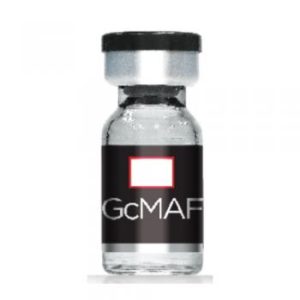
GcMaf
GcMAF Therapy and Cancer
When a body has cancer, cancer cells and tumors release a protein called nagalase. When nagalase is released, it prevents immune system cells from functioning properly, allowing cancer to grow without interruption.
Because of this, your natural GcMAF protein production is blocked from initiating an immune response.
When the body lacks GcMAF, it weakens and prevents the immune system from working properly. When a body has enough GcMAF, it jump-starts the entire immune response.
When a patient receives GcMAF as a treatment, the proteins trigger the body’s natural fighting cells, (the macrophages mentioned above,) and support and rebuild the immune system. This helps destroy cancerous cells or any other foreign invader in the body.
GcMAF is a type of immunotherapy, which is a method that helps boost the body’s immune system to fight diseases.
A study in 2017 looked at how GcMAF could block things that weaken the immune system, like the nagalase enzyme. This treatment was found to be good at making immune cells more active in fighting tumor cells. The study showed that GcMAF works faster and better in treating certain types of tumor cells, like breast and prostate cancer cells, compared to other kinds like squamous carcinoma cells.
How Can GcMAF Forte Improve Your Immune System?
How GcMAF Is Administered (GcMAF Injections & Treatment Protocols)
A dose of active GcMAF is injected intramuscularly or subcutaneously once a week for a period of 10 weeks.
The treatment can be done at home or in specialized alternative clinics.
The injections activate the immune system to attack cancer cells. In certain cases, a doctor will recommend that a patient receive GcMAF either intravenously or through a nebulizer.
After 10 weeks, additional doses may be required depending on the stage and type of disease and based on disease symptoms, pathology, and progress of improvement. Treatment should be continued as long as necessary while the disease is present.
Working with an experienced integrative practitioner can help patients better understand how GcMAF treatment is being used within a broader care plan.
How Effective Is GcMAF Therapy for Cancer?
In recent decades, scientific research on GcMAF treatments has shown it to be a highly effective measure in fighting against a variety of cancers.
While some early studies and case reports suggest potential, research on GcMAF therapy remains limited and debated, and outcomes can vary depending on the patient and treatment context.
When patients receive GcMAF, and there is a sufficient amount of macrophages produced in the body, the immune system is able to pursue cancerous cells aggressively enough to lead to remission.
Three studies published by internationally recognized research immunologist and molecular biologist, Nobuto Yamamoto, Ph.D., have shown that incredibly small weekly doses (100 billionths of a gram – an amount invisible to the naked eye) of GcMAF cured early metastatic breast, prostate, and colon cancers in 100% of (nonanemic) patients. In a fourth study, he used the same treatment to cure 100% of nonanemic HIV-infected patients.
No Side Effects
What Conditions is GcMAF Used for?
In addition to cancer, it is used for other conditions such as
- Hepatitis B and C,
- Herpes,
- Endometriosis,
- Autism Spectrum Disorders,
- Lyme disease,
- Chronic Fatigue Syndrome,
- Fibromyalgia,
- Endometriosis,
- Psoriasis,
- Malaria,
- Lupus,
- Osteoporosis,
- Type 1 Diabetes,
- COVID 19
Where to Get GcMAF Treatment?
Access to GcMAF treatment can vary depending on location and regulatory environment.
In some cases, patients explore GcMAF therapy through integrative or alternative cancer clinics, where it may be included as part of a broader, individualized treatment approach.
Availability, quality, and protocols can differ between providers, which is why understanding how a clinic administers and monitors treatment is important.
Frequently Asked Questions
Because GcMAF is not well-studied, its side effects are not well-documented. Some users have reported flu-like symptoms, fatigue, or injection site discomfort. The lack of regulation also raises concerns about the safety and purity of GcMAF products.
No, GcMAF is not approved by the FDA or any other major regulatory agency for the treatment of any condition. Its use is considered experimental, and it has not undergone the rigorous testing required for approval.
Some alternative health advocates claim that GcMAF can help treat cancer by activating the immune system to attack cancer cells. However, there is no conclusive clinical evidence to support GcMAF as an effective cancer treatment.
Yes, in some countries, including the UK and parts of Europe, regulatory agencies have taken action against companies selling GcMAF products due to concerns about safety, false advertising, and unapproved health claims.