

Stage 4 Cancer Treatments: Your Guide Beyond Standard Frontline Therapy
Medical Disclaimer: Heal Navigator is an independent clinic directory and educational resource, not a medical provider. The content on this page is for informational purposes only and does not constitute medical advice. Always consult with your qualified healthcare team before pursuing any treatment protocol.
A stage 4 cancer diagnosis can be overwhelming and devastating, as it often signifies the advanced spread of the disease to other parts of the body. However, rapid advancements in precision medicine and biotechnology are completely redefining what is possible.
When conventional, standard-of-care treatments (like generic chemotherapy or radiation) stop progressing, it does not mean you are out of options. Today, a new frontier of integrative oncology and advanced specialized clinics is stepping in to offer highly targeted, innovative protocols designed for late-stage and treatment-resistant cancers. For patients who feel they have exhausted traditional pathways, exploring advanced, targeted modalities can provide a powerful next step toward remission and long-term quality of life.
Specialized Clinical Care: Advanced Precision Modalities
When standard hospital protocols reach their limits, specialized integrative oncology clinics offer access to innovative, cutting-edge therapies. Because these clinics utilize specialized frameworks, they can rapidly implement emerging biomedical advancements without being slowed down by traditional institutional bureaucracy.
Here are the leading advanced treatments currently being utilized in specialized integrative oncology:
Personalized Cancer Vaccines & Immunotherapy – Rather than a one-size-fits-all approach, advanced clinics utilize therapeutic, neoantigen, NK, and dendritic cell vaccines. By analyzing a patient’s unique tumor DNA and cellular makeup, scientists design a highly personalized vaccine tailored to train the patient’s own immune system to recognize and destroy specific cancer cells.
Stem Cell Therapy involves using the patient’s own blood to deliver targeted therapies directly to tumors, regenerate healthy blood cells after chemotherapy, and potentially replace damaged tissues.
Hyperthermia, also known as thermal therapy or heat treatment, is a technique used in cancer treatment to raise the temperature of targeted tissues in the body.
The purpose of hyperthermia treatment is to help damage and kill cancer cells with little or no harm to normal tissue. Further more, it may enhance the effectiveness of other cancer treatments, such as radiation therapy or chemotherapy.
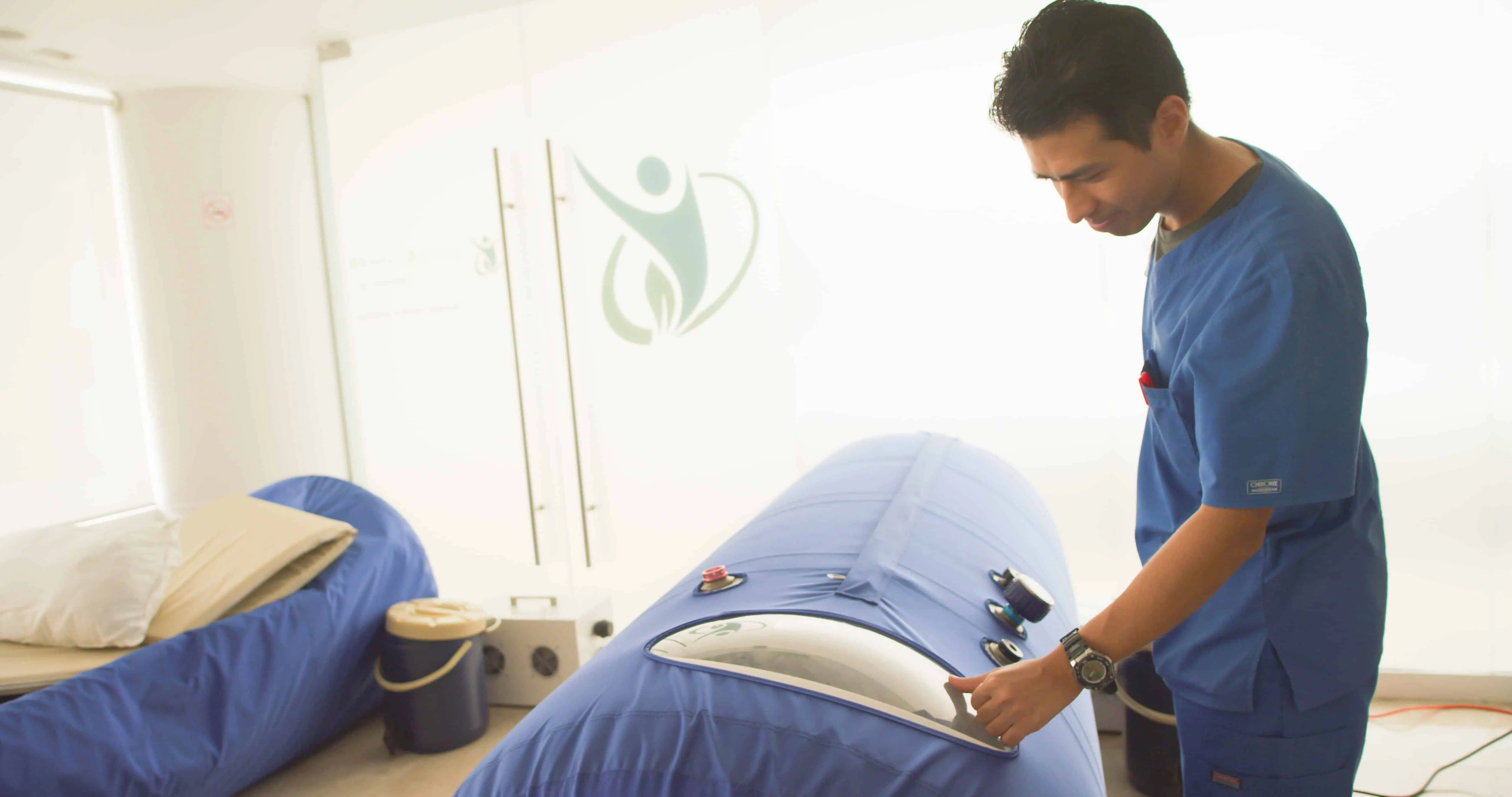
Hyperbaric Chambers involve exposing patients to high levels of oxygen in a pressurized chamber. Increasing oxygen supply can enhance the healing process and the ability of white blood cells to combat bacteria, reduce swelling, and facilitate the rapid growth of new blood vessels in affected areas.
At-Home Support: Targeting the Cancer Metabolism
Sometimes, traveling to a clinic for an inpatient program isn’t feasible for a number of reasons.
Many stage 4 cancer patients turn to treatment protocols that can be done at home as a more affordable, less logistically complex option.
Again, these protocols go far beyond the general “good advice” given to all cancer patients. We are looking specifically at treatment options and protocols that you may previously not have considered.
Integrative Metabolic Oncology & Off-Label Drug Protocols
Metabolic oncology is one of the most exciting breakthroughs in modern cancer research. It involves addressing the unique way cancer cells consume energy and interact with the body’s metabolism.
Under this protocol, physicians utilize off-label drugs—medications originally approved for non-cancer conditions (such as diabetes, high cholesterol, or parasitic infections)—that have been shown in clinical studies to possess powerful anti-cancer properties. By blocking the glucose or lipid pathways that tumors rely on for fuel, these protocols starve the cancer cells, slowing their growth and making them highly vulnerable to other treatments.
Full-Spectrum Cannabis Oil
also known as medical marijuana or CBD oil, contains various compounds, including cannabinoids like tetrahydrocannabinol (THC) and cannabidiol (CBD).
These cannabinoids have shown success in alleviating cancer symptoms and potential therapeutic effects, such as pain relief, anti-inflammatory properties, and antiemetic effects (reducing nausea and vomiting).
Cannabis oil also shows therapeutic potential. Some studies suggest that cannabinoids have antitumor properties and could potentially inhibit cancer cell growth, making it one possible choice for stage 4 cancer patients.
Advanced Targeted Nutritional Protocols
Most doctors would agree that maintaining a healthy diet is an important part of any treatment regimen. But late-stage cancer patients may also want to look into specific diet plans that have shown promise in actually curing the disease.
The Gerson Protocol, for instance, is an alternative dietary regimen that was developed by Dr. Max Gerson in the 1920s. It focuses on a plant-based diet, along with specific supplements and therapies, with the aim of detoxifying the body and boosting the immune system.
The Budwig Protocol which was developed by Dr. Johanna Budwig, a German biochemist, in the 1950s. The primary component of the Budwig diet is a combination of flaxseed oil and cottage cheese/quark; the combination of these two ingredients promotes oxygenation, cellular health, and overall well-being. Strict adherence to the diet, along with additional dietary recommendations and lifestyle practices, such as exposure to sunlight and light exercise, has had positive results in cancer patients.
Empowering Your Next Steps
Receiving a Stage 4 diagnosis is incredibly challenging, but the medical landscape is evolving at breakneck speed. Brilliant scientists, researchers, and integrative oncologists worldwide are successfully utilizing advanced, targeted therapies every single day. If you or a loved one have been told you are “out of options,” remember that you have only scratched the surface of what modern science has to offer.

