Fenbendazole and Cancer: The Regimen Patients Share Online

Fenben medication
Interested in the Fenbendazole Protocol but not sure how to start?
We can help!
Paul Hetrick

Medically Reviewed By Dr. Paul Hetrick, PharmD

Dr. Paul Hetrick is a licensed pharmacist with extensive professional experience across various fields.

He currently resides and practices in North Carolina. Dr. Hetrick earned his BS in Biology from the University of North Carolina at Chapel Hill and his PharmD from Campbell University College of Pharmacy & Health Sciences. He holds several certifications, including a license as a pharmacist and a Pharmacy-Based Immunization Delivery Certification.

Dr. Hetrick is affiliated with the American Pharmacists Association (APhA) and the North Carolina Association of Pharmacists (NCAP).

Important: Fenbendazole is a veterinary deworming drug. It is not approved by the FDA for use in people, and it has not been tested as a cancer treatment in human clinical trials. The amounts on this page are what people report using, not a recommendation. This page is for information only and is not medical advice. Talk to your oncologist before taking fenbendazole or any supplement. We may earn a commission from some links on this page, at no cost to you.

Fenbendazole is a common dewormer for animals that has drawn attention from people with cancer. Much of that interest traces back to Joe Tippens, who was diagnosed with small cell lung cancer in 2016. In 2017 he began taking fenbendazole along with several supplements, and he later reported that his scans came back clear. He was also enrolled in a clinical trial of the immunotherapy drug Keytruda at the time, and had received other conventional treatment before that. He has said his doctor told him he was the only patient in the trial with such a strong response, which is why he credits fenbendazole.

Since then, versions of a “fenbendazole protocol” have spread through online forums and patient groups. This page explains what those regimens usually include, what the research does and doesn’t show, and the safety concerns to know about.


🔎 Click here to See the Fenbendazole product patients are using »


The Fenbendazole Protocol: Supplements and Amounts People Report

The most commonly shared version combines fenbendazole with a few supplements. The amounts below are what people report in online communities. They haven’t been tested for safety or effectiveness in people with cancer.


1. Fenbendazole: 1 Gram a Day Reported

fenben

The most commonly reported amount is one 1-gram packet of powder a day, which contains 222 mg of fenbendazole. People often mix it with food such as yogurt. Some follow a schedule of 3 days on and 4 days off instead of taking it daily.

Products vary in quality, so look for brands with consistent third-party lab testing. See our fenbendazole products page for the brands people commonly use.


2. Curcumin: 600 mg a Day Reported

The amount most often reported is 600 mg a day of a bioavailable (better-absorbed) form of curcumin, the active compound in turmeric. Lab studies have looked at curcumin’s effects on cancer cells, including on p53, but it hasn’t been shown to treat cancer in people. Curcumin can interact with blood thinners and some chemotherapy drugs.

curcumin tippens

Where to find curcumin >>


3. CBD Oil: 25 mg a Day Reported

The amount most often reported is 25 mg a day, taken under the tongue. Lab studies have looked at CBD’s effects on cancer cells, but it hasn’t been shown to treat cancer in people. CBD can interact with many prescription drugs, including some chemotherapy drugs, and can raise liver enzymes, especially at higher amounts.


Click here to buy medical-grade CBD Oil >> (use code RETHN2 for a 20% discount!)


CBD Fenbendazol Protocol

An integrative oncology consultant’s note:

  • When choosing CBD for medical use, people often look for products that are lab-tested and organic. Here’s how to choose a CBD oil.
  • Some people report increasing to 50 mg a day. Before increasing it is best to talk to a medical cannabis professional or an integrative oncologist, and make sure your oncologist knows you’re taking CBD, since side effects and drug interactions become more likely at higher amounts.
  • If you’re considering adding THC, talk to a medical cannabis professional, or speak with one of our consultants.


4. Berberine: 1,000–1,500 mg a Day Reported

Berberine wasn’t part of Joe Tippens’ original regimen, but some people have added it since. The amount most often reported is 1,000 to 1,500 mg a day, split into 500 mg doses taken before meals. Lab and animal studies have looked at berberine’s effects on cancer cell growth and on how cells use glucose, but it hasn’t been shown to treat cancer in people. Berberine can lower blood sugar and interacts with many medications, so it matters especially if you take diabetes drugs or are in cancer treatment.

Where to find berberine >>

berberine


5. Quercetin: 500–1,000 mg a Day Reported

Like berberine, quercetin is a later addition some people have made. The amount most often reported is 500 to 1,000 mg a day, split into two or three doses. Quercetin has been widely studied for its antioxidant, anti-inflammatory and anti-tumor activity. In lab studies, it slowed the growth of several cancer cell types, including prostate, lung, breast and colon, while affecting healthy cells less. It hasn’t been tested as a cancer treatment in people. It can interact with some medications, including certain chemotherapy drugs.
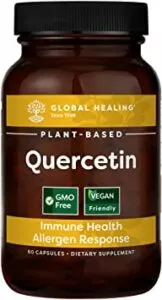
quercetin

Explore Fenbendazole Products >>


What Is the Joe Tippens Protocol?

The term usually refers to the regimen Joe Tippens described after his recovery. He began sharing his story on his blog in 2018, and as it spread through news coverage and social media, he says he was soon hearing from many patients and families every day.

His original combination was fenbendazole, curcumin, CBD oil and vitamin E. He later dropped vitamin E, and over time other people added supplements of their own, such as berberine and quercetin. Schedules vary too: some people take fenbendazole daily, while others follow a pattern of three days on and four days off. Because of these changes, there’s no single fixed version, and what one website calls “the protocol” may differ from the next.

His story drew skeptics as well as supporters. Critics point out that he was receiving conventional cancer treatment at the same time, so his result can’t be credited to fenbendazole alone. Tippens has said he believes fenbendazole made the difference, since he was the only one in his group to get such positive results.

Today these regimens are shared mainly through online forums, patient groups and social media. The American Cancer Society notes that fenbendazole hasn’t been tested in human clinical trials, isn’t approved as a cancer treatment, and is intended for animals.


Get Guidance from an Integrative Oncology Consultant

You don’t have to sort through this alone. Our integrative oncology consultants, including nurse practitioners, physician assistants and naturopathic doctors, can answer your questions, help you prepare questions for your oncologist, and explain what to monitor along the way.

Talk to a consultant »

Integrative oncology consultation

Scientific Research on Fenbendazole and Cancer

There is published research on deworming drugs and cancer, though so far it comes from cell cultures and animals, not people. In one mouse study, fenbendazole combined with vitamin supplements significantly slowed tumor growth. Lab studies have also looked at its effects on pancreatic, ovarian and colorectal cancer cells.

In these lab studies, researchers have looked at three ways fenbendazole may affect cancer cells:

  1. Microtubules. It disrupts microtubules, structures cells need to keep their shape and divide.
  2. Sugar. It reduced the ability of some cancer cells to take up glucose, which they rely on for energy.
  3. p53. It raised levels of p53, a tumor-suppressor protein that helps keep abnormal cells in check and often doesn’t work properly in cancer.

Results in cells and animals often don’t carry over to people, which is why human clinical trials are needed.


Mebendazole: Fenbendazole’s Sister Drug

Mebendazole is a closely related deworming drug that, unlike fenbendazole, is approved for treating parasitic infections in people. It has been studied for cancer in lab research, case reports and some small early-stage human trials, including in lung cancer, melanoma, glioblastoma and colon cancer. These early results have encouraged further research, but mebendazole isn’t approved as a cancer treatment. Learn how fenbendazole compares to mebendazole.


Fenbendazole Side Effects

In some reported cases, fenbendazole has been linked to raised liver enzymes and liver injury, and the supplements often taken with it can interact with prescription drugs, including some chemotherapy drugs. Read more about possible side effects of fenbendazole in humans.

Need more information about the Fenbendazole Protocol?

Fenbendazole - frequently asked questions

Fenbendazole comes as a powder (granules), a liquid suspension and, less commonly, tablets. The products patients most often use are Panacur C (powder) and Safe-Guard (available as both liquid and powder). Strengths differ between products, so check the label carefully. Read more on how to choose a fenbendazole product.

Fenbendazole is a veterinary medicine. It isn’t approved for human use, and there’s little safety data in people, especially at the doses and lengths of time people report taking it for cancer. Related drugs approved for humans, mebendazole and albendazole, have a long safety record for treating parasitic infections, usually for short courses. Fenbendazole has shown low toxicity in animal studies, but there have been reports of liver injury in people taking it. Read more about possible side effects of fenbendazole in humans.

In animal studies, fenbendazole has shown low toxicity, and the related human medications mebendazole and albendazole are generally well tolerated when used for parasitic infections. However, there have been reports of elevated liver enzymes, and in some cases liver injury, in people taking fenbendazole, as well as with mebendazole and albendazole. Liver blood tests before starting and while taking it can help catch problems early. If you book a consultation, sharing your recent lab reports, current medications and treatments, and medical history helps your Heal Navigator consultant assess and discuss your individual risks.

Opinions differ on which product is best, and no research compares fenbendazole products in people. Panacur and Safe-Guard are both made by Merck Animal Health, have been tested in animals, and have been used by veterinarians for many years. Other brands vary in quality, so look for third-party lab testing that confirms purity and the amount of fenbendazole per dose. Read more on how to choose a fenbendazole product.

Many people who use fenbendazole take it alongside conventional treatment, and some lab studies suggest it might work together with certain cancer treatments. However, this hasn’t been tested in people, so it isn’t known whether combining them helps or causes problems. Some supplements often taken with it, such as curcumin, may interfere with chemotherapy and radiation because of their antioxidant effects, and CBD can interact with some cancer drugs. Tell your oncologist about everything you take, and our integrative oncology consultants can discuss your situation during a consultation.

There’s no correct dose supported by research, because fenbendazole hasn’t been tested as a cancer treatment in people. Joe Tippens originally described taking 222 mg (one 1-gram packet) three days on and four days off, and many people now take it daily or in larger amounts. What makes sense for any one person depends on their other medications and treatments, type of cancer, organ function and lab values. Our integrative oncology consultants can talk this through with you. For more on the doses people report, see what’s reported about fenbendazole doses.

Many people take fenbendazole for months, and some continue long-term. Joe Tippens has said he keeps taking it to try to keep the cancer from coming back. There’s no research on how long to take it, so this is an individual decision. Because the long-term safety of fenbendazole in people isn’t known, regular liver blood tests matter more the longer you take it. Our integrative oncology consultants can help you think this through.

Many people adjust their amount over time, and how they decide is very individual. Things to weigh include how well you’re tolerating it, your other medications and treatments, and your lab results, especially liver tests. Because higher amounts haven’t been studied for safety in people, it’s best to make this decision with professional guidance. Our integrative oncology consultants can discuss it with you during a consultation.

Fenbendazole has shown promising results in lab and animal studies, and there are individual reports from patients who did well while taking it. However, it hasn’t been tested in human clinical trials, and many of those patients were also receiving other cancer treatments, so its effectiveness in people isn’t known. If you’re considering fenbendazole, talk to your oncologist, and our integrative oncology consultants can help you weigh it up.

Heal Navigator’s consultants work with people, not pets. For questions about your dog, please talk to your veterinarian.

Laurie was battling triple-negative breast cancer. She began chemotherapy and was adding high amounts of Fenbendazole daily. “I believe that the combination of Fenbendazole and chemo worked very well.”

Read more Fenbendazole testimonials here.

Fenbendazole Cancer Protocol- Relevant Research and News

Repurposing Drugs in Oncology (ReDO)—mebendazole as an anti-cancer agent

Mebendazole, a well-known anti-helminthic drug in wide clinical use, has anti-cancer properties that have been elucidated in a broad range of pre-clinical studies across a number of different cancer types. Significantly, there are also two case reports of anti-cancer activity in humans. The data are summarised and discussed in relation to suggested mechanisms of action. Based on the evidence presented, it is proposed that mebendazole would synergise with a range of other drugs, including existing chemotherapeutics, and that further exploration of the potential of mebendazole as an anti-cancer therapeutic is warranted.

Mebendazole elicits a potent antitumor effect on human cancer cell lines both in vitro and in vivo

We have found that mebendazole (MZ), a derivative of benzimidazole, induces a dose- and time-dependent apoptotic response in human lung cancer cell lines. In this study, MZ arrested cells at the G(2)-M phase before the onset of apoptosis, as detected by using fluorescence-activated cell sorter analysis. MZ treatment also resulted in mitochondrial cytochrome c release, followed by apoptotic cell death. Additionally, MZ appeared to be a potent inhibitor of tumor cell growth with little toxicity to normal WI38 and human umbilical vein endothelial cells. When administered p.o. to nu/nu mice, MZ strongly inhibited the growth of human tumor xenografts and significantly reduced the number and size of tumors in an experimental model of lung metastasis. In assessing angiogenesis, we found significantly reduced vessel densities in MZ-treated mice compared with those in control mice. These results suggest that MZ is effective in the treatment of cancer and other angiogenesis-dependent diseases.

Fenbendazole Enhancing Anti-Tumor Effect: A Case Series

Background: Fenbendazole (FBZ) is a cheap and readily available anti-parasitic commonly used in veterinary medicine. FBZ belongs to the benzimidazole drug class which destabilize microtubules through a mechanism similar to the anti-oncogenic vinca alkaloids. Although there are no reported cases in the literature, there have been several anecdotal stories published on website blogs with individuals praising its ability to treat a wide variety of cancers. Case Presentations: Herein we describe the cases of three patients with various genitourinary malignancies who demonstrated complete response after receiving FBZ therapy as a single or supplementary chemotherapeutic agent. In two patient scenarios, they had experienced progression of metastatic disease despite multiple lines of therapy prior to initiation of FBZ. No side effects from FBZ were reported. Conclusion: FBZ appears to be a potentially safe and effective antineoplastic agent that can be repurposed for human use in treating genitourinary malignancies. Further research is necessary to define the role of FBZ as a chemotherapeutic option.

You might also be interested in

Enzymatic Therapy

Enzymatic Therapy

What is Enzymatic Therapy?   Using natural systemic enzymes to destroy cancer cells and decrease tumors in patients is called “enzymatic cancer treatment and therapy.”  Enzyme replacement therapy is a medical

Read More »
Peptide_Therapy

Peptide Therapy

What is Peptide Therapy?   Peptide therapy is a treatment approach that involves replenishing the number of peptides in the body to promote cellular regrowth systems. Peptides are the “building blocks”

Read More »
Herbal Tonic (Hoxsey)

Herbal Tonic (Hoxsey)

What is Hoxsey Herbal Tonic? Herbal Tonic, often referred to as Hoxsey Herbal Therapy, is an alternative cancer treatment developed by Harry Hoxsey in the early 20th century. This therapy involves

Read More »
Need more information about the Fenbendazole Protocol?

Hold On!

Want our short step by step Fenbendazole protocol guide?

This website uses cookies to ensure you get the best experience.